

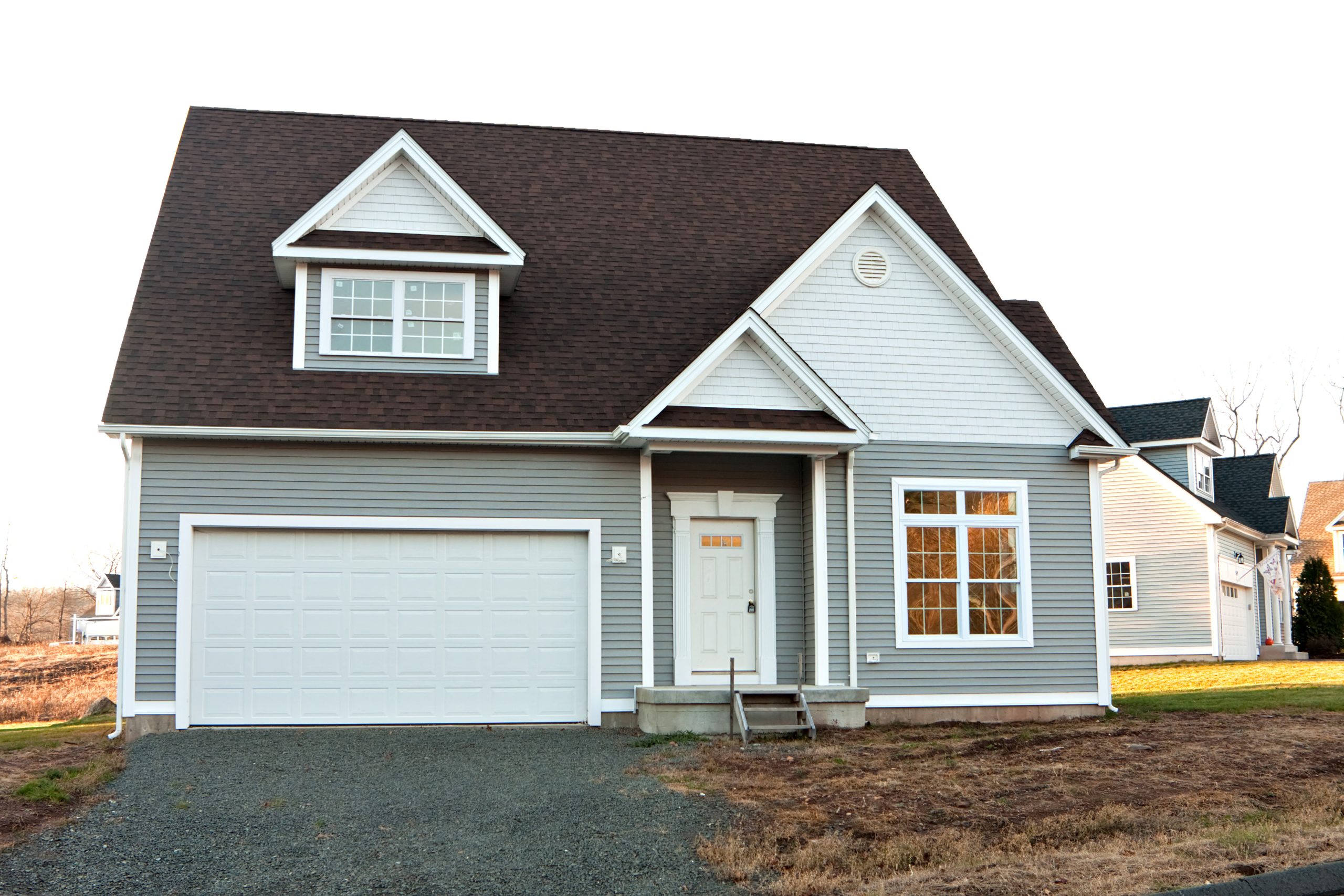
Your dream home starts with a smart mortgage strategy. Before you fall in love with a kitchen or backyard, lenders want to fall in love with you as a borrower. That means understanding borrower qualification—credit score, income, and debt-to-income ratio—and matching the right loan type and interest structure to your life. Here’s how to get mortgage mastery and secure the best loan for your dream home.
First, credit score matters. Lenders use your score as a shorthand for risk. Higher scores generally unlock lower interest rates and better terms. Conventional loans typically favor scores above 620 to 680, while FHA loans are more forgiving, accepting lower scores (sometimes in the high 500s with larger down payments). Even small score improvements—paying down a credit card, correcting errors on your report—can shave points off your rate. Start early: credit health is a campaign, not a last-minute sprint.
Income is the second pillar. Lenders verify stable, sufficient income to ensure you can make monthly payments. This includes pay stubs, W-2s, tax returns, and sometimes bank statements if you’re self-employed. Consistency matters: job hopping, gig income, or large recent deposits require documentation. The goal is to prove that your earnings are reliable and likely to continue.
Debt-to-income (DTI) ratio ties credit and income together. DTI divides your monthly debts (including the proposed mortgage payment, car loans, student loans, credit card minimums) by your gross monthly income. Most lenders prefer a DTI under 43%, though stronger applicants can sometimes push higher limits. Lowering DTI—by paying down balances or increasing income—improves your chances and can qualify you for better rates.
Now, the loan types. Conventional loans are the most common. They’re backed by private lenders and often offer competitive rates for borrowers with solid credit. Expect down payment requirements (typically 3%–20%) and possible private mortgage insurance (PMI) if you put down less than 20%. FHA loans, insured by the Federal Housing Administration, are designed for buyers with lower credit scores or smaller down payments. FHA requires mortgage insurance premiums, but it widens access. VA loans, available to veterans and certain military families, are a standout: often no down payment and no private mortgage insurance, with generally favorable rates—though eligibility rules apply.
Interest rate structures determine how your monthly payment behaves over time. Fixed-rate mortgages lock in one interest rate for the entire term—commonly 15 or 30 years—offering predictability and protection when rates rise. This is ideal if you plan to stay put or value steady budgeting. Adjustable-rate mortgages (ARMs) start with a lower introductory rate for a set period (say 5, 7, or 10 years), then adjust periodically based on market indices. ARMs can save money initially, but they introduce uncertainty; if rates climb, so will your payment. ARMs suit buyers who expect to sell or refinance before adjustments kick in.
Practical tips: get preapproved to show sellers you’re serious; compare multiple lenders—small differences in rate or fees add up; lock your rate when the market looks volatile; and improve your credit and reduce DTI before applying. Choose the loan type and interest structure that align with your timeline, tolerance for risk, and down payment ability.
Mortgage mastery means preparing your financial profile, understanding your options, and choosing the path that balances cost with comfort. Do that, and your dream home won’t just be attainable—it’ll be sustainable.